OUR HISTORY
Our History
Walk down memory lane and learn about our roots from Don Carlos A. Gothong’s arrival to the Philippines in the 1910s until the formative years of Gothong Southern in the 1990s.
Walk down memory lane and learn about our roots from Carlos A. Gothong’s arrival to the Philippines in the 1910s until the formative years of Gothong Southern in the 1990s.
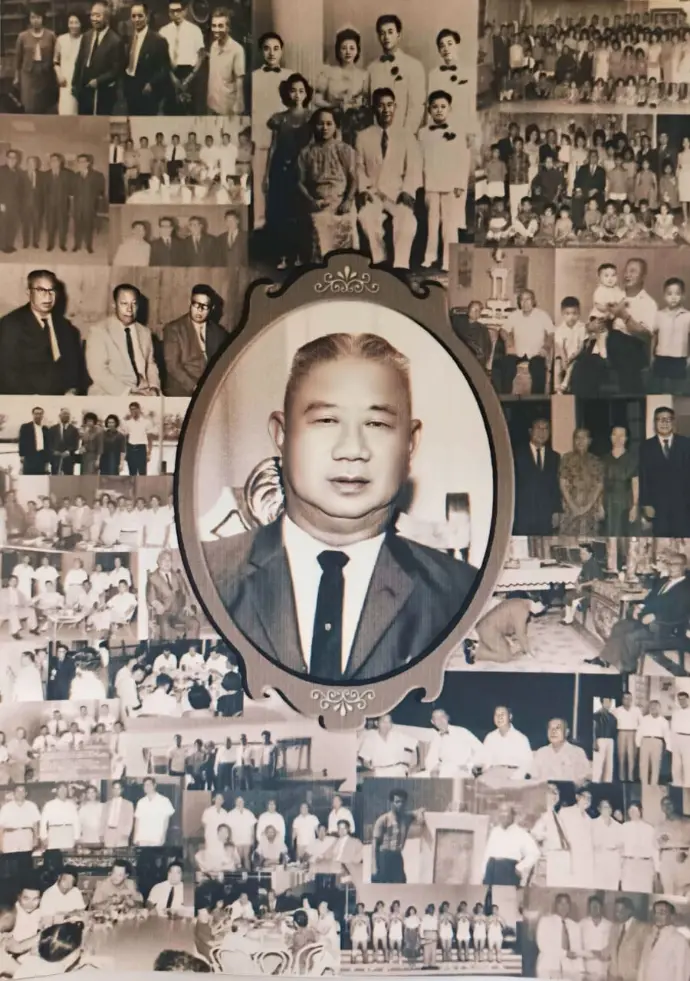
In 1910, Go Bon Tho—later known as Don Carlos A. Go Thong, Sr.—left Fookien, China, for the Philippines in search of a better life. Guided by his sister, Go Kim, and her husband, Ang Guan Tin, he first settled in Manila, then transferred to San Isidro, Leyte, where a close-knit Chinese community and wise mentors taught him discipline, humility, and the basics of trade.
After working as a salesman and apprenticing under Señor Genaro Liok in a sari-sari store, Don Carlos gained the experience and confidence to start his own venture. Partnering with Liok and Chua Wan Sing, he opened a sari-sari store in Palompon, which later expanded into abaca and copra trading.
By 1915, Don Carlos took the bold step of opening his own shop in Palompon. Choosing independence over partnership, he began to build his reputation as a businessman known for honesty, integrity, and hard work—values that became the foundation of his growing network and future enterprises.
In 1910, Go Bon Tho—later known as Don Carlos A. Go Thong, Sr.—left Fookien, China, for the Philippines in search of a better life. Guided by his sister, Go Kim, and her husband, Ang Guan Tin, he first settled in Manila, then transferred to San Isidro, Leyte, where a close-knit Chinese community and wise mentors taught him discipline, humility, and the basics of trade.
After working as a salesman and apprenticing under Señor Genaro Liok in a sari-sari store, Don Carlos gained the experience and confidence to start his own venture. Partnering with Liok and Chua Wan Sing, he opened a sari-sari store in Palompon, which later expanded into abaca and copra trading.
By 1915, Don Carlos took the bold step of opening his own shop in Palompon. Choosing independence over partnership, he began to build his reputation as a businessman known for honesty, integrity, and hard work—values that became the foundation of his growing network and future enterprises.
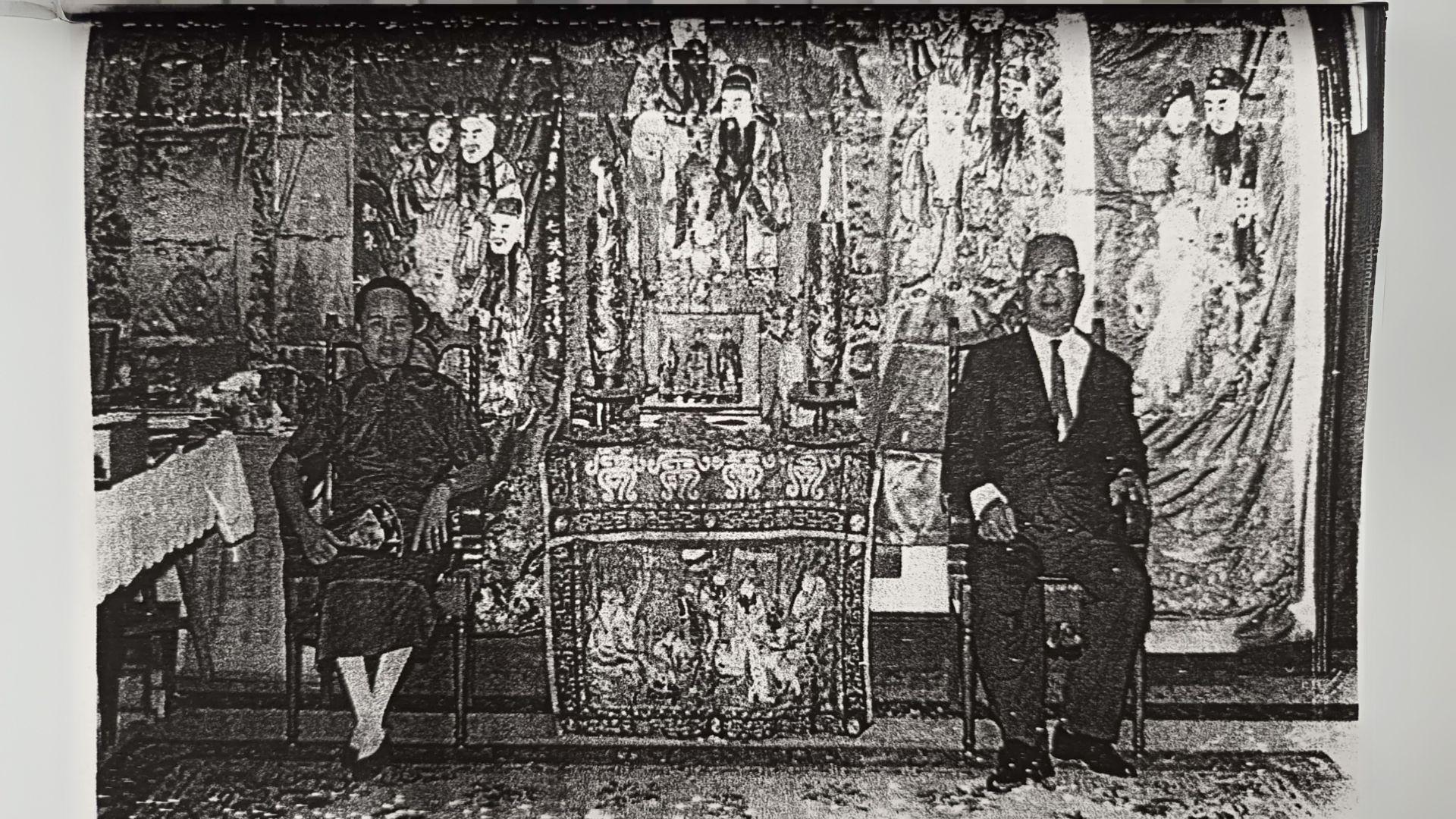
In 1924, fate led Don Carlos back to China, where he met Dee He Chiok, later known as Doña Rita Dee. The two had already been communicating through letters while he was still in the Philippines, with the efforts of Camilo, Don Carlos’ brother.
After their marriage rites in China, the couple decided to return to the Philippines in 1925, where Don Carlos focused on expanding his business while Doña Rita nurtured their growing family, instilling in their children the Chinese values that would become the bedrock of their legacy.
In 1924, fate led Don Carlos back to China, where he met Dee He Chiok, later known as Doña Rita Dee. The two had already been communicating through letters while he was still in the Philippines, with the efforts of Camilo, Don Carlos’ brother.
After their marriage rites in China, the couple decided to return to the Philippines in 1925, where Don Carlos focused on expanding his business while Doña Rita nurtured their growing family, instilling in their children the Chinese values that would become the bedrock of their legacy.
The 1930s saw both growth and hardship for Don Carlos. He expanded his general merchandise store, entered inter-island trade, and in 1937 acquired the M/V Ramses, personally captaining voyages that laid the foundation of his maritime legacy. His network of Chinese businessmen in Cebu strengthened through trust and mutual respect.
In 1935, tragedy struck when fire reduced his store to ashes, leaving his family destitute. Yet Don Carlos’ resolve only deepened. He went to Cebu to face his bankers and suppliers, borrowing money and restocking through trusted friends such as Go Occo and Company, Popeng Bazaar, and People’s Commercial.
His palabra de honor—a reputation for keeping his word—earned such confidence that peers extended credit without collateral. In rural communities, his cheques were even preferred over cash. Still, hardship lingered. His son Alfredo recalled the family surviving on borrowed sweet yam leaves in the fire’s aftermath, a testament to both their struggle and resilience
The 1930s saw both growth and hardship for Don Carlos. He expanded his general merchandise store, entered inter-island trade, and in 1937 acquired the M/V Ramses, personally captaining voyages that laid the foundation of his maritime legacy. His network of Chinese businessmen in Cebu strengthened through trust and mutual respect.
In 1935, tragedy struck when fire reduced his store to ashes, leaving his family destitute. Yet Don Carlos’ resolve only deepened. He went to Cebu to face his bankers and suppliers, borrowing money and restocking through trusted friends such as Go Occo and Company, Popeng Bazaar, and People’s Commercial.
His palabra de honor—a reputation for keeping his word—earned such confidence that peers extended credit without collateral. In rural communities, his cheques were even preferred over cash. Still, hardship lingered. His son Alfredo recalled the family surviving on borrowed sweet yam leaves in the fire’s aftermath, a testament to both their struggle and resilience
After the fire, Don Carlos relocated to Naval, Leyte, where his new general merchandise store quickly flourished and allowed him to repay his debts. His ventures soon expanded into baking and rice and corn milling, showcasing his versatility. To support trade in abaca, copra, and other goods, he acquired another vessel, the Lux, which became vital to his growing operations.
By 1939, Don Carlos sent his sons Alfredo and Alfonso, along with their cousin Enrique, to study in Cebu. Alfredo fondly recalled meeting his father at Pier 3 for his 20-centavo weekly allowance. When he once asked why Don Carlos walked instead of taking a tartanilla ride, his father replied: “If you earn one peso, save 90 centavos and spend only 10.” This simple lesson on thrift became a guiding principle for generations to come
During the Japanese occupation of Leyte, a 5,000-strong force seized control of towns, disrupting commerce and confiscating resources. Refusing to let the enemy use his assets, Don Carlos scuttled the MS Lux in the crocodile-infested Caraycaray River.
Amid the turmoil, he sustained his family through small-scale trade, aided by his sons Alfredo and Alfonso and his brother Sulpicio. At just 13, Alfredo hauled water from a deep well up to 20 times daily and planted vegetables for survival. The family later fled to Bantayan Island, where trade offered some stability. Even there, danger persisted—Don Carlos narrowly escaped execution with the intervention of Mayor Isidro Escario, while Sulpicio was spared from death in Naval thanks to local residents.
Life under Japanese control was harsh, with barter and black markets replacing open trade. Still, the family remained generous, often sharing scarce supplies with others. In Daan Bantayan, Don Carlos’ birthday was celebrated with 20 roasted pigs for the entire barrio, only for the town to be raided the same day. The family fled into the mountains, leaving the feast behind.
With General MacArthur’s liberation of Leyte in 1945, hope returned. Don Carlos salvaged the Lux, thanks to the skill of Samuel “Sama” Go, a gifted artisan who had helped scuttle the ship and later refloat it. The war, though devastating, deepened Don Carlos’ resolve and sharpened his vision of building a national chain of stores and expanding into new markets
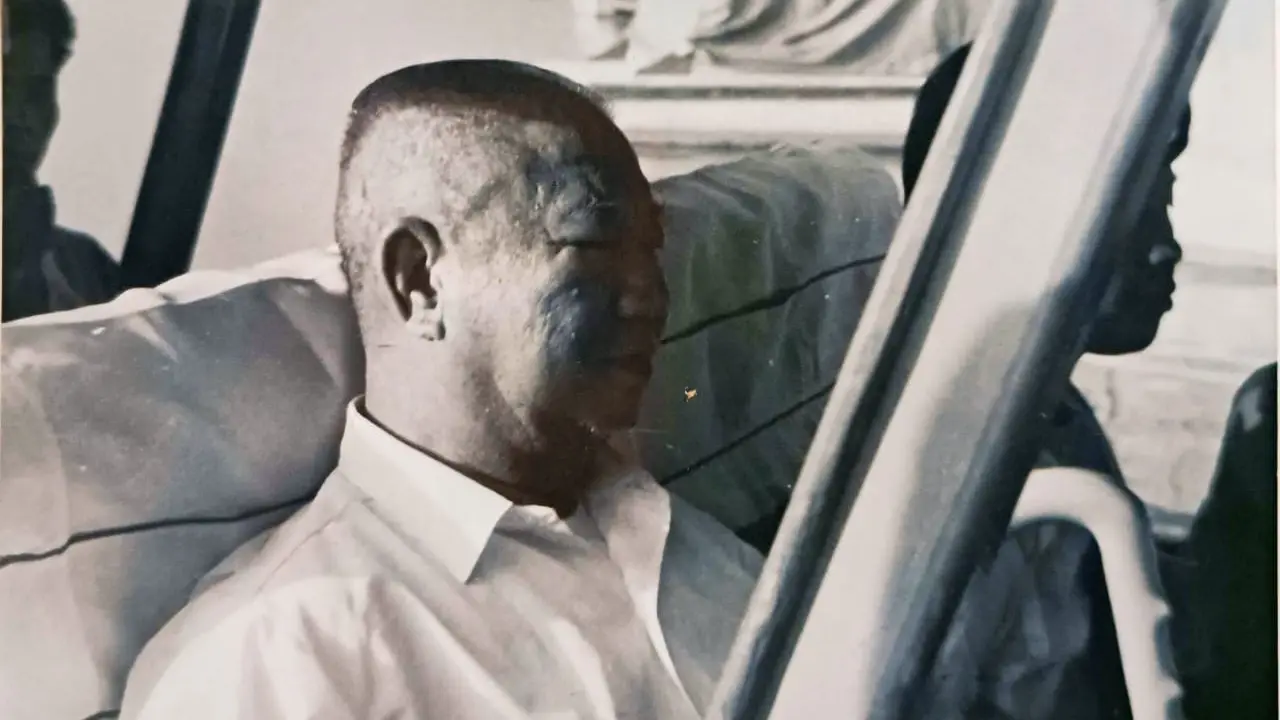
By the late 1940s, Cebu City was thriving with over 31,000 residents, its economy fueled by foreign-led enterprises and new banking and power services. Don Carlos, now a respected businessman, relocated from Daan Bantayan to Cebu and established Carlos A. Go Thong & Company, with himself as General Manager, his brother Sulpicio as Manager, and his son Alfredo as Treasurer. The firm focused on general merchandise and copra, then the country’s top export.
Expanding into shipping, he acquired the M/V Don Emilio and M/V Doña Josefa, later adding two damaged freight ships bought for only ₱20,000. Through ingenuity, Don Carlos and his nephews reconfigured the vessels—salvaging an engine and stabilizing them with water tanks—to make one operational. This resourcefulness marked the foundation of the family’s shipping enterprise.
Even as his business grew, Don Carlos remained mindful of his humble beginnings. Disturbed by the lack of access to education beyond the elite, he helped establish schools in various cities, believing that education was the one form of wealth no one could ever take away.
By the late 1940s, Cebu City was thriving with over 31,000 residents, its economy fueled by foreign-led enterprises and new banking and power services. Don Carlos, now a respected businessman, relocated from Daan Bantayan to Cebu and established Carlos A. Go Thong & Company, with himself as General Manager, his brother Sulpicio as Manager, and his son Alfredo as Treasurer. The firm focused on general merchandise and copra, then the country’s top export.
Expanding into shipping, he acquired the M/V Don Emilio and M/V Doña Josefa, later adding two damaged freight ships bought for only ₱20,000. Through ingenuity, Don Carlos and his nephews reconfigured the vessels—salvaging an engine and stabilizing them with water tanks—to make one operational. This resourcefulness marked the foundation of the family’s shipping enterprise.
Even as his business grew, Don Carlos remained mindful of his humble beginnings. Disturbed by the lack of access to education beyond the elite, he helped establish schools in various cities, believing that education was the one form of wealth no one could ever take away.
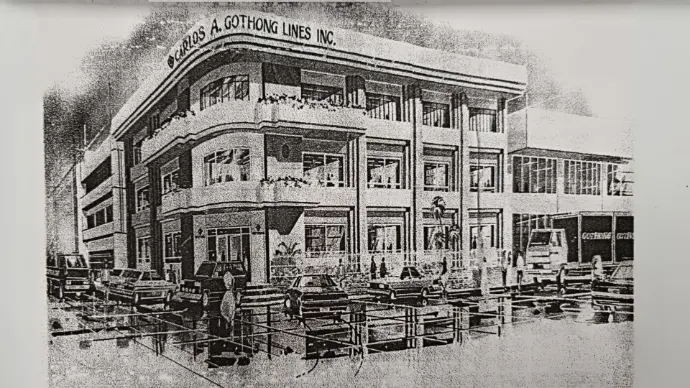
Carlos A. Go Thong & Company built its first office at F. Gonzales Street, employing 100 office workers and 500 personnel for ship operations. The fleet grew to over 30 vessels, transporting cargo like copra, abaca, corn, and general merchandise throughout the Philippines.
During this time, the company began purchasing ships internationally. Jose Go, one of Don Carlos’ nephews, traveled to Europe to negotiate deals, resulting in the acquisition of the M/V Gothong and other vessels.
Among those vessels was M/V Doña Conchita, which Don Carlos and Alfredo christened and named after Alfredo’s wife. The freight ship then became so popular for inter-island shipping in the Philippines during that time. She was considered the fastest because it can navigate Cebu-Manila in just 24 hours.
Carlos A. Go Thong & Company built its first office at F. Gonzales Street, employing 100 office workers and 500 personnel for ship operations. The fleet grew to over 30 vessels, transporting cargo like copra, abaca, corn, and general merchandise throughout the Philippines.
During this time, the company began purchasing ships internationally. Jose Go, one of Don Carlos’ nephews, traveled to Europe to negotiate deals, resulting in the acquisition of the M/V Gothong and other vessels.
Among those vessels was M/V Doña Conchita, which Don Carlos and Alfredo christened and named after Alfredo’s wife. The freight ship then became so popular for inter-island shipping in the Philippines during that time. She was considered the fastest because it can navigate Cebu-Manila in just 24 hours.
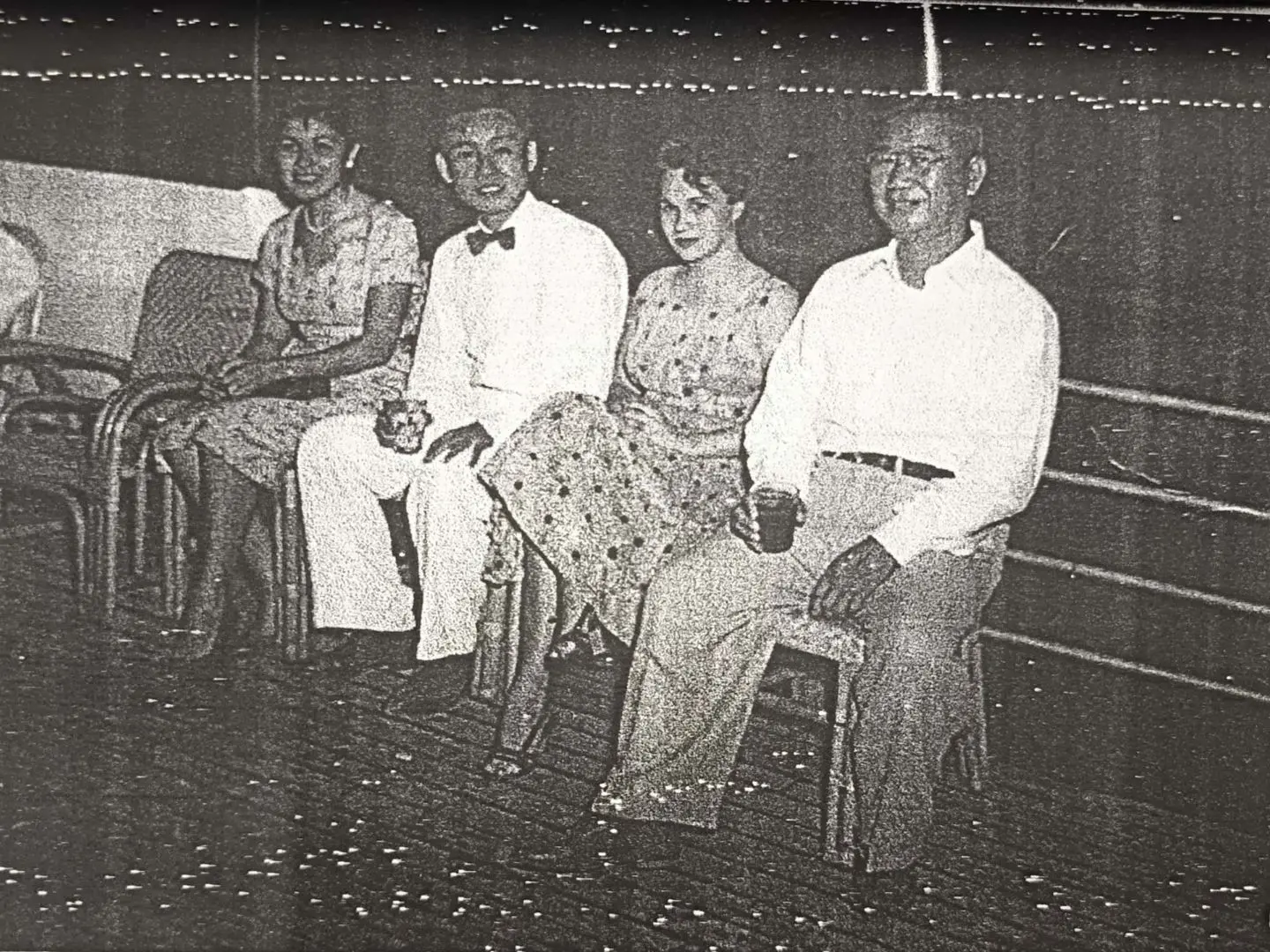
In the 1960s, the Gothongs entered the international market with the launch of Universal Shipping Lines, serving key ports in Europe, Asia, and the Philippines. Partnering with Ludo and Luym Corp., Cebu’s sole oil producer, they shipped copra cake to Europe, with payments covering roundtrip freight costs. Their first vessel, the M/V Tayabas Bay, sailed routes between the Philippines, Taiwan, and Japan, attracting new clients and expanding opportunities.
To establish overseas operations, Don Carlos and Sulpicio sent Alfredo to Taiwan and Japan. His early weeks were grueling—navigating cultural formalities, meeting multiple secretaries before business heads, and enduring long days of introductions. Yet his persistence paid off: on the very first return trip, he secured 4,000 tons of cargo.
Buoyed by this success, the company invested in a larger vessel to meet rising demand. Alfredo initially visited Taiwan and Japan monthly to oversee operations, later scaling back to every two months as Universal Shipping Lines gained traction and grew steadily.
In the 1960s, the Gothongs entered the international market with the launch of Universal Shipping Lines, serving key ports in Europe, Asia, and the Philippines. Partnering with Ludo and Luym Corp., Cebu’s sole oil producer, they shipped copra cake to Europe, with payments covering roundtrip freight costs. Their first vessel, the M/V Tayabas Bay, sailed routes between the Philippines, Taiwan, and Japan, attracting new clients and expanding opportunities.
To establish overseas operations, Don Carlos and Sulpicio sent Alfredo to Taiwan and Japan. His early weeks were grueling—navigating cultural formalities, meeting multiple secretaries before business heads, and enduring long days of introductions. Yet his persistence paid off: on the very first return trip, he secured 4,000 tons of cargo.
Buoyed by this success, the company invested in a larger vessel to meet rising demand. Alfredo initially visited Taiwan and Japan monthly to oversee operations, later scaling back to every two months as Universal Shipping Lines gained traction and grew steadily.
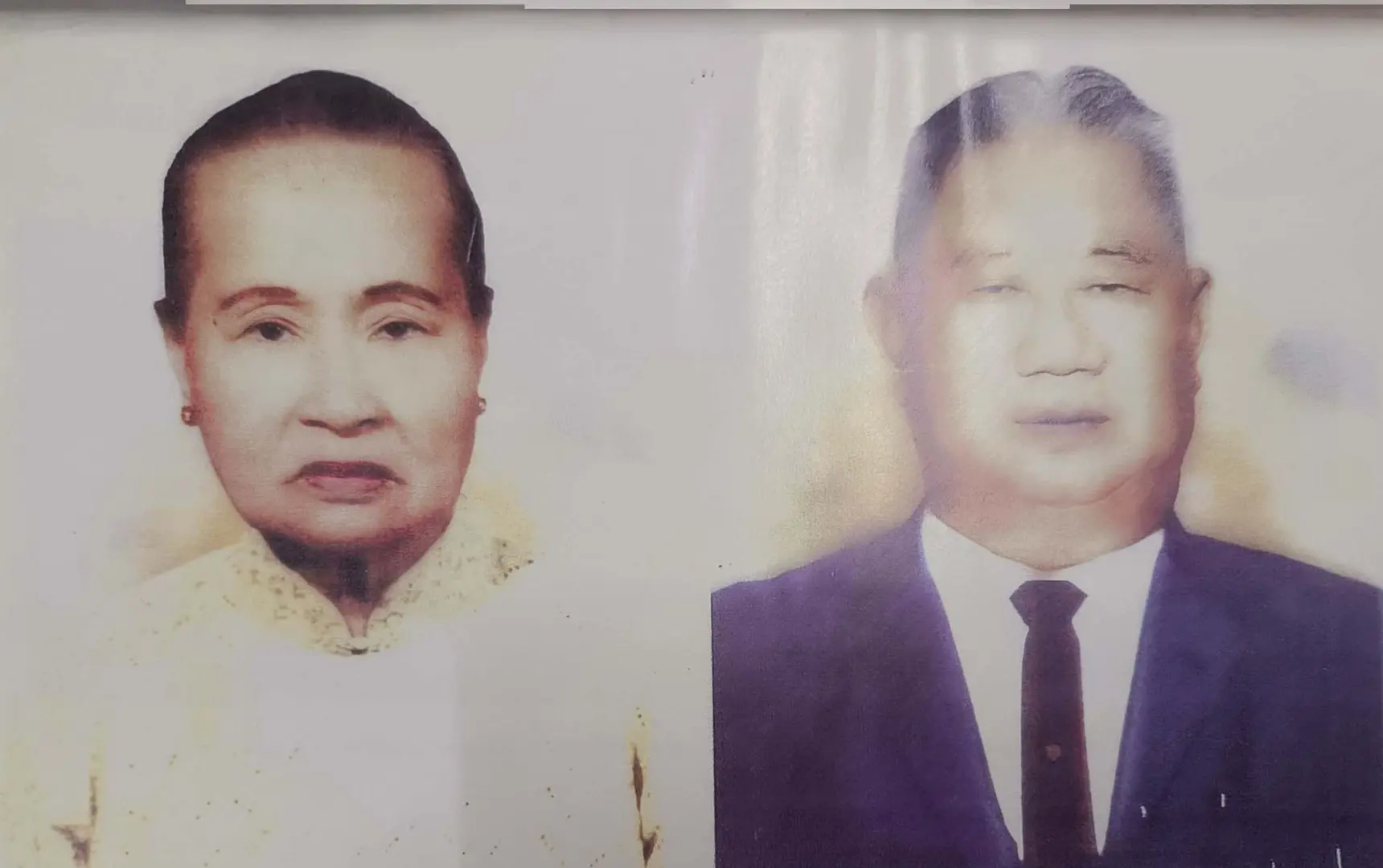
On March 21, 1966, while Universal Shipping Lines was expanding abroad, Don Carlos passed away in Cebu City at 5:00 PM. His son Alfredo, then in Tokyo, received the telegram the following day and rushed home. At the airport, friends met him with support, but it was only upon a consoling embrace from Roberto Zamora of ESSO Oil that the weight of his father’s loss truly sank in.
Don Carlos’ wake drew thousands of mourners—about 5,000 families and friends—alongside distinguished leaders at that time: Cornelio T. Villareal, Speaker of the House of Representatives; Senate President Arturo M. Tolentino; and President Ferdinand E. Marcos, who sent a heartfelt telegram. On March 24, around 3,000 people attended his burial at the Chinese Cemetery in Cebu
Doña Rita, the family matriarch, later joined her husband on November 16, 1984. Don Carlos’ passing left the family with the heavy responsibility of carrying forward his vision and meeting the country’s growing demand for reliable service in his field of expertise.
On March 21, 1966, while Universal Shipping Lines was expanding abroad, Don Carlos passed away in Cebu City at 5:00 PM. His son Alfredo, then in Tokyo, received the telegram the following day and rushed home. At the airport, friends met him with support, but it was only upon a consoling embrace from Roberto Zamora of ESSO Oil that the weight of his father’s loss truly sank in.
Don Carlos’ wake drew thousands of mourners—about 5,000 families and friends—alongside distinguished leaders at that time: Cornelio T. Villareal, Speaker of the House of Representatives; Senate President Arturo M. Tolentino; and President Ferdinand E. Marcos, who sent a heartfelt telegram. On March 24, around 3,000 people attended his burial at the Chinese Cemetery in Cebu
Doña Rita, the family matriarch, later joined her husband on November 16, 1984. Don Carlos’ passing left the family with the heavy responsibility of carrying forward his vision and meeting the country’s growing demand for reliable service in his field of expertise.
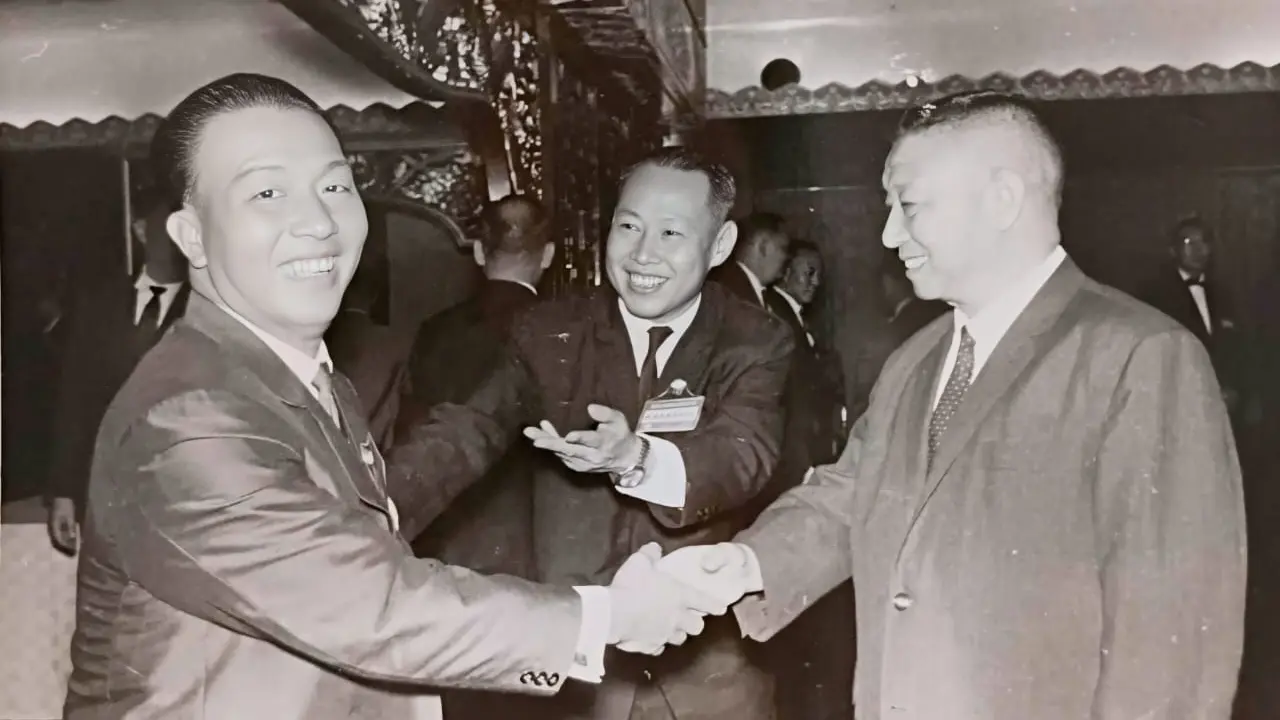
In 1971, Alfredo sought a safer environment for his family amid the Philippines’ growing drug epidemic. After visiting several countries, he chose Canada for its progress and simple way of life. Within a month, his migration application was approved, and the family settled in Vancouver, where they lived from 1971 to 1984. Even abroad, Alfredo continued managing the Philippine business while raising a new generation of business-minded children.
Meanwhile, major changes reshaped the company. In 1972, following Don Carlos’ plans, shares were divided: Alfredo and Sulpicio each received 32.5%, Lorenzo 22.5%, and Camilo 12.5%. That same year, Sulpicio founded Sulpicio Shipping Lines, and Lorenzo established Lorenzo Shipping Lines—initially maintaining partnership with the family firm. By September 1, Carlos A. Gothong & Co. was reduced to just six vessels.
In April 1973, Alfredo founded Carlos A. Gothong Lines, Inc. (CAGLI), honoring his father’s legacy and streamlining operations to build a stronger presence in Cebu. The company soon expanded, but a national economic crisis between 1974 and 1979—driven by surging oil prices—placed shipping in turmoil. In 1978, Lorenzo Shipping Lines fully separated, leaving Alfredo to steer CAGLI alone. Gross revenue plunged to just ₱25 million.
Worsening matters, key stakeholders and several relatives withdrew their assets. By year’s end, CAGLI had lost 57% of its holdings—a staggering blow that tested Alfredo’s resilience and resolve.
In 1971, Alfredo sought a safer environment for his family amid the Philippines’ growing drug epidemic. After visiting several countries, he chose Canada for its progress and simple way of life. Within a month, his migration application was approved, and the family settled in Vancouver, where they lived from 1971 to 1984. Even abroad, Alfredo continued managing the Philippine business while raising a new generation of business-minded children.
Meanwhile, major changes reshaped the company. In 1972, following Don Carlos’ plans, shares were divided: Alfredo and Sulpicio each received 32.5%, Lorenzo 22.5%, and Camilo 12.5%. That same year, Sulpicio founded Sulpicio Shipping Lines, and Lorenzo established Lorenzo Shipping Lines—initially maintaining partnership with the family firm. By September 1, Carlos A. Gothong & Co. was reduced to just six vessels.
In April 1973, Alfredo founded Carlos A. Gothong Lines, Inc. (CAGLI), honoring his father’s legacy and streamlining operations to build a stronger presence in Cebu. The company soon expanded, but a national economic crisis between 1974 and 1979—driven by surging oil prices—placed shipping in turmoil. In 1978, Lorenzo Shipping Lines fully separated, leaving Alfredo to steer CAGLI alone. Gross revenue plunged to just ₱25 million.
Worsening matters, key stakeholders and several relatives withdrew their assets. By year’s end, CAGLI had lost 57% of its holdings—a staggering blow that tested Alfredo’s resilience and resolve.
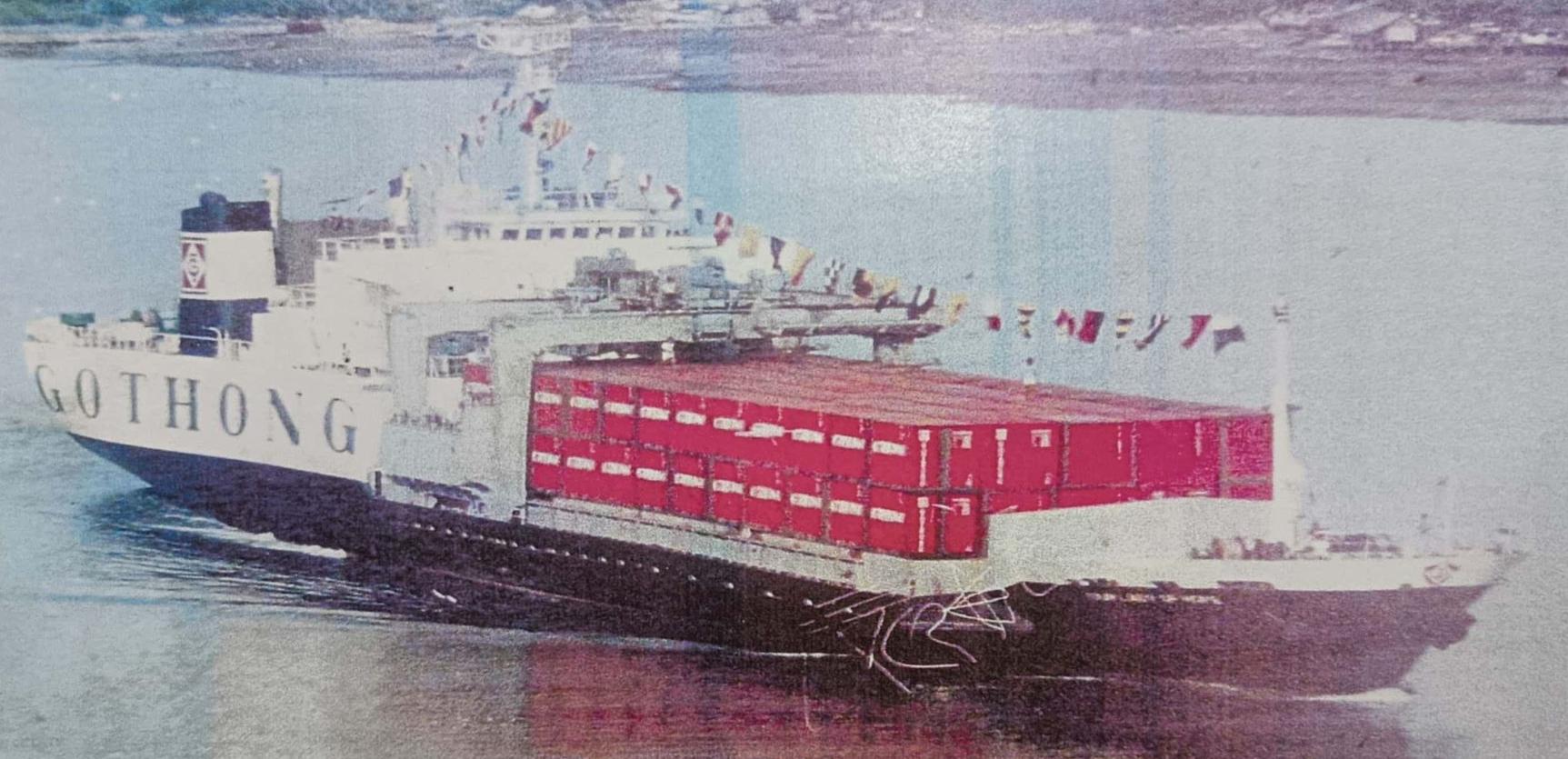
During his visits to Canada, Alfredo D. Gothong was inspired by the efficiency of Roll-on Roll-off (RORO) vessels, which allowed vehicles, cargo, and passengers to move seamlessly. At a time when 60 men could load only 200 sacks of rice in an hour, Alfredo introduced the Philippines’ first RORO vessel in 1978 through Carlos A. Gothong Lines, Inc. With forklifts and just six workers, 2,000 sacks could be loaded in the same span, transforming port operations.
The pioneering fleet included M/V Doña Josefina, M/V Don Calvino, and M/V Doña Lili, later joined by M/V Doña Casandra and M/V Don Benjamin, which earned national recognition for innovation.
As the company expanded, Alfredo’s sons took on leadership roles. Bowen, a Commerce graduate, started in pier operations before becoming Shipping Manager in 1975. Bob, also a Commerce graduate, followed the same path from documentation to management. In 1978, Benjamin, a Mechanical Engineer, became head of the Machinery Shop. By 1985, Alfredo formally turned over the reins to his sons, entrusting them to uphold the family’s values of discipline, hard work, and innovation
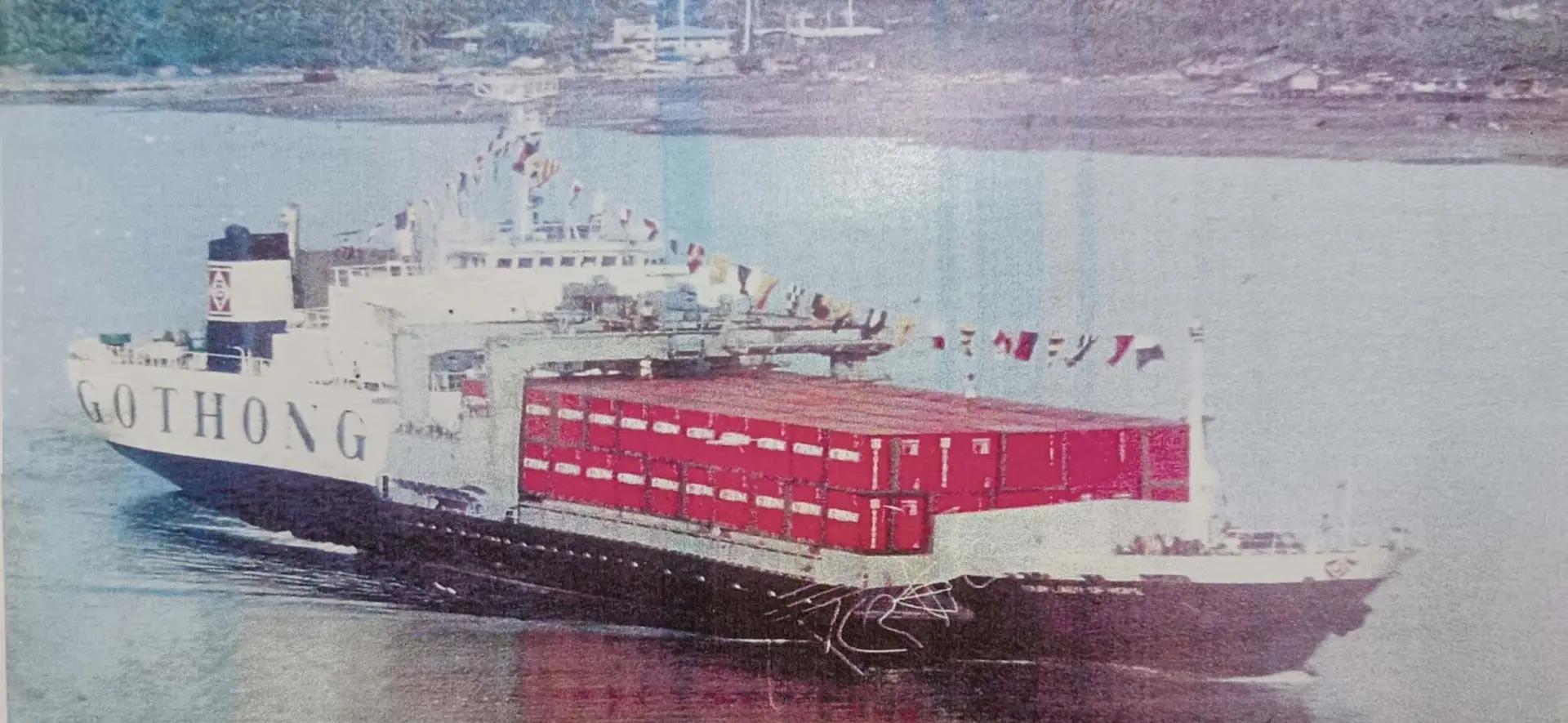
During his visits to Canada, Alfredo D. Gothong was inspired by the efficiency of Roll-on Roll-off (RORO) vessels, which allowed vehicles, cargo, and passengers to move seamlessly. At a time when 60 men could load only 200 sacks of rice in an hour, Alfredo introduced the Philippines’ first RORO vessel in 1978 through Carlos A. Gothong Lines, Inc. With forklifts and just six workers, 2,000 sacks could be loaded in the same span, transforming port operations.
The pioneering fleet included M/V Doña Josefina, M/V Don Calvino, and M/V Doña Lili, later joined by M/V Doña Cassandra and M/V Don Benjamin, which earned national recognition for innovation.
As the company expanded, Alfredo’s sons took on leadership roles. Bowen, a Commerce graduate, started in pier operations before becoming Shipping Manager in 1975. Bob, also a Commerce graduate, followed the same path from documentation to management. In 1978, Benjamin, a Mechanical Engineer, became head of the Machinery Shop. By 1985, Alfredo formally turned over the reins to his sons, entrusting them to uphold the family’s values of discipline, hard work, and innovation.
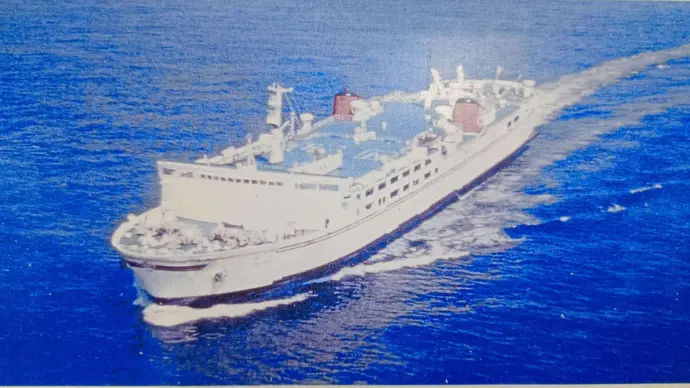
Through the 1990s, the Gothong fleet continued to expand, redefining sea travel with a focus on customer satisfaction, safety, and social responsibility. In 1993, the launch of M/V Our Lady of Akita elevated voyages into comfort-filled experiences, earning her the title “the most lavish lady” and embodying the company’s slogan, Sailing Your Way.
Carlos A. Gothong Lines (CAGLI) soon ranked among the Top 500 Corporations of the Philippines and received numerous awards for excellence. It pioneered automation in freight and ticketing, while Brenda Gothong, daughter of Don Alfredo, spearheaded workplace computing—streamlining documentation and operations. CAGLI also introduced stewardesses on board, setting a new standard in passenger care.
These innovations reflected the vision of Don Carlos A. Gothong, honored as a Great Cebuano Awardee (1993), “Shipping Magnate” by Sun.Star Daily (2000), and one of the “100 Most Notable Cebuanos of the Century.”
By 1996, industry conditions led CAGLI to merge with William Lines, Inc. and Aboitiz Shipping, Inc., forming WG&A, Inc., then the country’s largest shipping conglomerate. Afterward, CAGLI shifted into a holding company, while Bob D. Gothong, Don Alfredo's son, established Ottawa Freight to provide jobs for those displaced by the merger, reinforcing its commitment to innovation, resilience, and community.
Through the 1990s, the Gothong fleet continued to expand, redefining sea travel with a focus on customer satisfaction, safety, and social responsibility. In 1993, the launch of M/V Our Lady of Akita elevated voyages into comfort-filled experiences, earning her the title “the most lavish lady” and embodying the company’s slogan, Sailing Your Way.
Carlos A. Gothong Lines (CAGLI) soon ranked among the Top 500 Corporations of the Philippines and received numerous awards for excellence. It pioneered automation in freight and ticketing, while Brenda Gothong, daughter of Don Alfredo, spearheaded workplace computing—streamlining documentation and operations. CAGLI also introduced stewardesses on board, setting a new standard in passenger care.
These innovations reflected the vision of Don Carlos A. Gothong, honored as a Great Cebuano Awardee (1993), “Shipping Magnate” by Sun.Star Daily (2000), and one of the “100 Most Notable Cebuanos of the Century.”
By 1996, industry conditions led CAGLI to merge with William Lines, Inc. and Aboitiz Shipping, Inc., forming WG&A, Inc., then the country’s largest shipping conglomerate. Afterward, CAGLI shifted into a holding company and established Ottawa Freight to provide jobs for those displaced by the merger, reinforcing its commitment to innovation, resilience, and community.
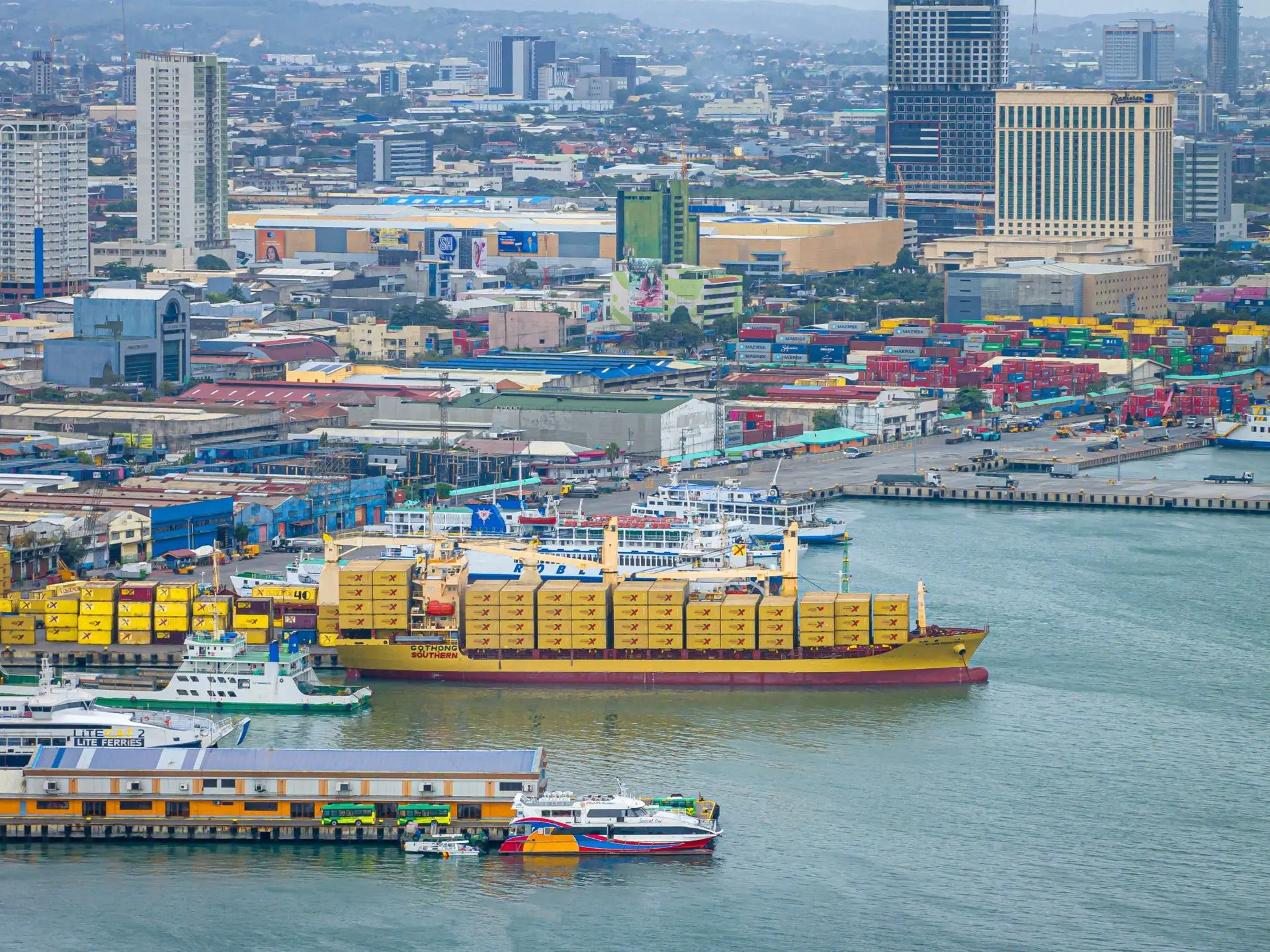
Guided by the teachings of his grandfather and father, Bob D. Gothong established Gothong Southern Shipping Lines Inc. in 2005. With a bold vision to innovate and elevate Philippine shipping, he launched the company’s journey with the vessel Don Carlos A. Gothong Sr. (DCAG), a tribute to the pioneering spirit of the family patriarch and a promise to carry that legacy forward.
Since then, Gothong Southern has grown into a dynamic force in the logistics industry, evolving through digital transformation, operational excellence, and a relentless drive to deliver smarter, faster, and more integrated solutions.
Today, Gothong Southern proudly stands as more than just a shipping line. We are a trusted partner in business growth, offering Transport, End-to-End Supply Chain, and Business Solutions that move with our customers and scale with their needs.
From our humble beginnings to our bold future, Gothong Southern remains driven by innovation, anchored in service, and powered by purpose.
Guided by the teachings of his grandfather and father, Bob D. Gothong established Gothong Southern Shipping Lines Inc. in 2005. With a bold vision to innovate and elevate Philippine shipping, he launched the company’s journey with the vessel Don Carlos A. Gothong Sr. (DCAG), a tribute to the pioneering spirit of the family patriarch and a promise to carry that legacy forward.
Since then, Gothong Southern has grown into a dynamic force in the logistics industry, evolving through digital transformation, operational excellence, and a relentless drive to deliver smarter, faster, and more integrated solutions.
Today, Gothong Southern proudly stands as more than just a shipping line. We are a trusted partner in business growth, offering Transport, End-to-End Supply Chain, and Business Solutions that move with our customers and scale with their needs.
From our humble beginnings to our bold future, Gothong Southern remains driven by innovation, anchored in service, and powered by purpose.